You help me keep my finger on the pulse of what is happening and what may be to come. — Joanna P., a paying member
Hi all,
Happy Sunday. Let’s zoom out for a moment and look at what stayed with me and our team this week.
More than a myth
Anthropic teased Mythos Preview this week and assembled a coalition to think through what the model might mean for digital infrastructure if placed in the wrong hands. It’s a model preview with an institution gathering around it. My initial take on Mythos, in short:
[t]he most significant and immediate implication of Mythos is on how we price risk. Critical infrastructure is the asset class that is most exposed and is systemically mispriced.
You can read the full analysis here.
Mythos raises the “Is this AGI?” question again. It’s not a useful question to ask. I made the case before that
I deliberately avoid using the term ‘artificial general intelligence’, not because it’s irrelevant, but because it’s often unhelpful and distracting, even when used by leading researchers.
Former OpenAI board member made the case too this week. She’s right when she says: “[f]or people who think the world is going to be radically transformed by advanced AI, I think it’s helpful to talk less about either AGI or superintelligence, and instead describe vivid, concrete milestones that you think will happen soon due to increasingly capable AI.” Highly recommend reading Helen’s essay.
Wired for GLP-1s
Scientists have found genetic evidence that helps explain one of the most striking features of GLP-1 drugs: why two people can take the same medicine and have very different experiences. Some lose far more weight than others, some are hit by nausea, while others tolerate the drugs with ease. This work gets us a step closer to precise obesity treatment – perhaps guided by a genetic test before a prescription is written.
As a class of medicines, GLP‑1s target a condition that affects more than 1 billion people worldwide, even before you count diabetes and other metabolic disorders. They could reshape our societies. The catch has been how unevenly they work. This new research could be one of the keys to unlocking the full potential of GLP-1s.
A degree of human
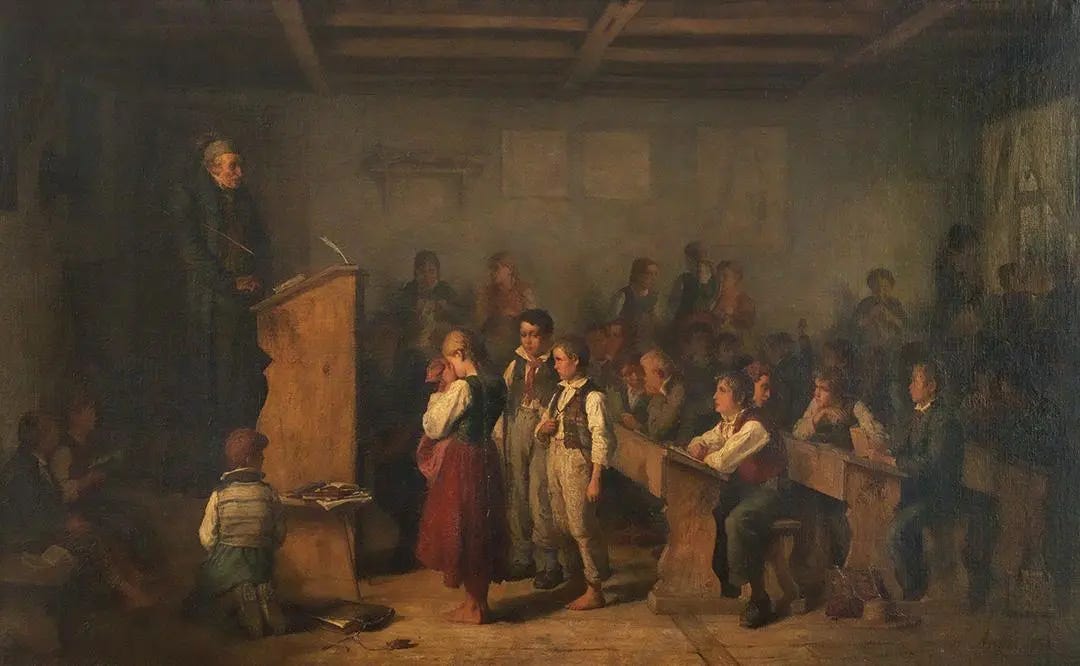
In September 2025, I wrote about the great value inversion and the future of education, in particular:
Universities offer degrees as if 20th-century returns persist, ignoring how credential premiums have fragmented and the changing nature of the skills employers will need.
The reality is, in the next decade or two, we will have to reimagine education completely. It may help to look back to 1809 Prussia, a country in free fall and forced to reform. Then, the diplomat Wilhelm von Humboldt was asked to redesign education. Instead of training officers and engineers, he argued for Bildung, the free development of a whole human being:
Humboldt’s solution was to design an environment rather than a curriculum. […] The university would not answer to the demand for immediate use and inquiry would follow the question wherever it led, unconstrained by predetermined ends.
A nice Sunday read by .
What I’m reading
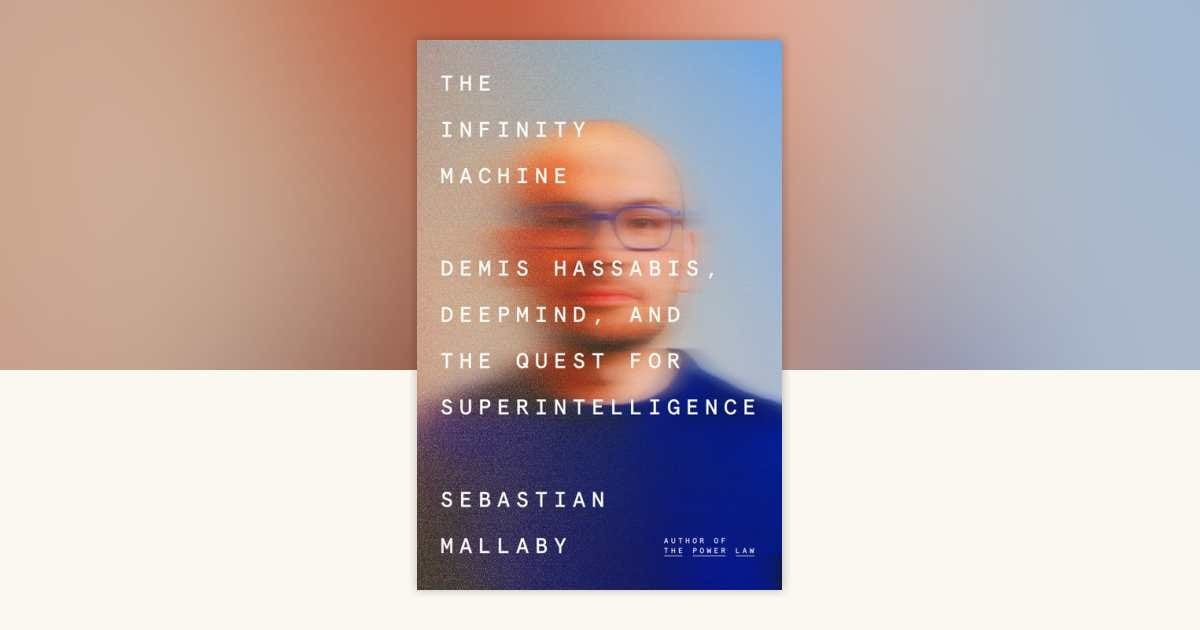
I had the opportunity to read Sebastian Mallaby’s book on Demis Hassabis and DeepMind before it came out. I met Demis several times and in 2020, when we recorded this podcast conversation via Zoom.