Six weeks of war in the Middle East have devastated lives, destroyed infrastructure and sent shockwaves through global oil markets. The aviation industry has been especially hard hit. There’s an unexpected structural consequence of this – the price gap between conventional jet fuel and sustainable alternatives is closing faster than anyone expected.
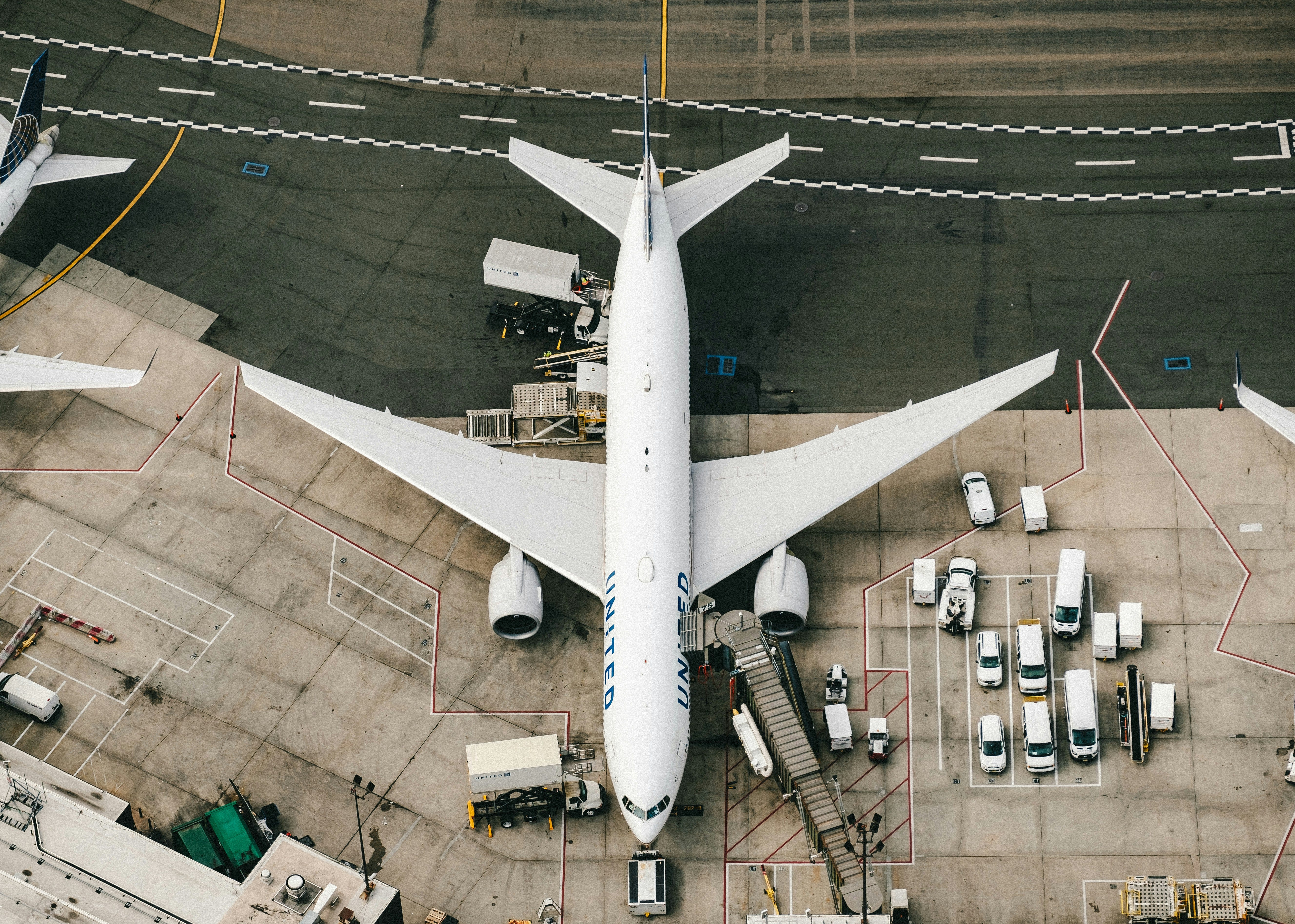
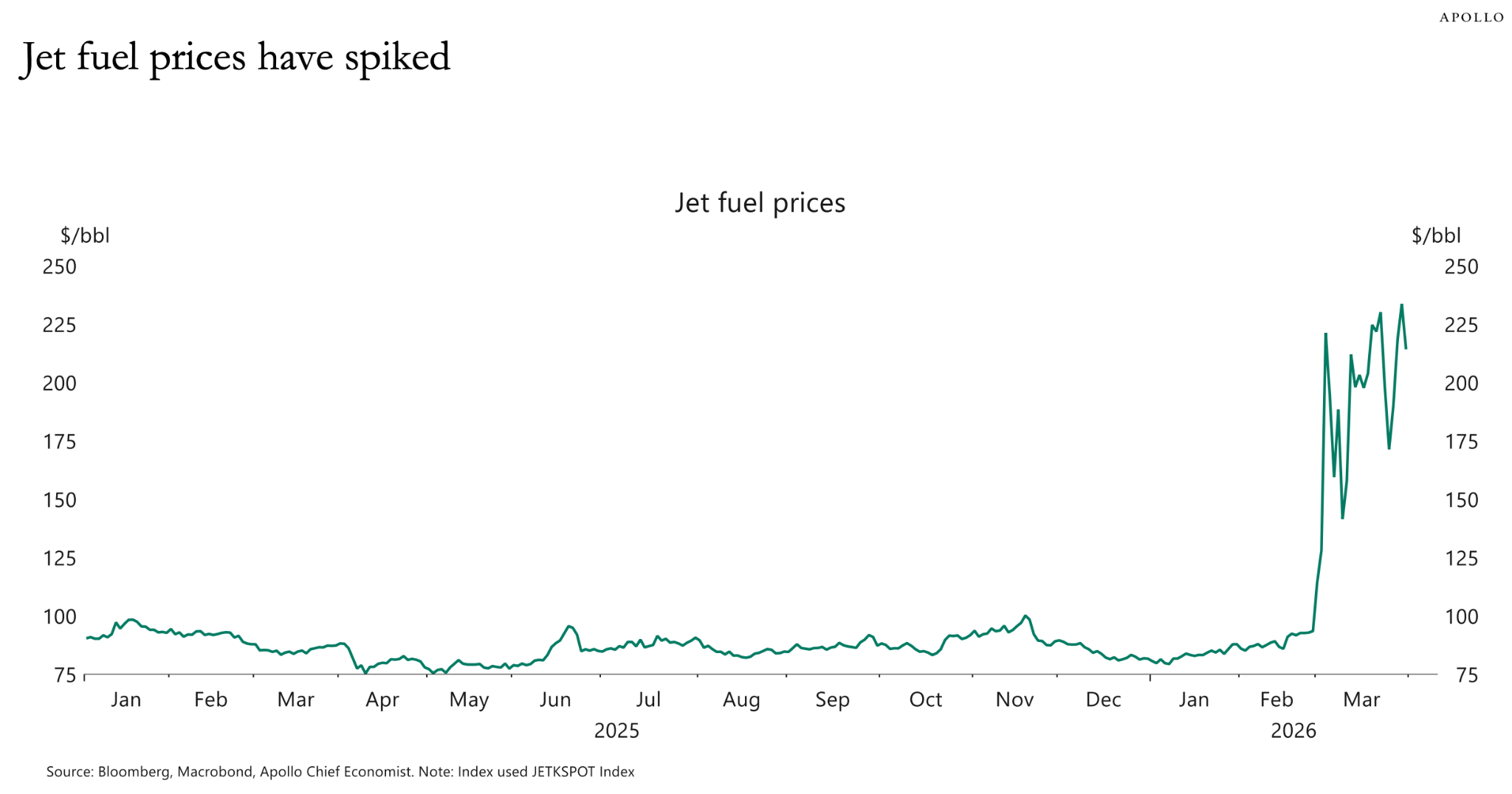
The conflict has extended far beyond the immediate region. In nine days, 37,000 flights were cancelled. This cost Gulf carriers $1 billion, while rerouting added 206,000 km of daily detours and wiped out an estimated $600 million a day in tourism revenue. Refinery strikes and the closure of the Strait of Hormuz pushed jet fuel prices to more than double.
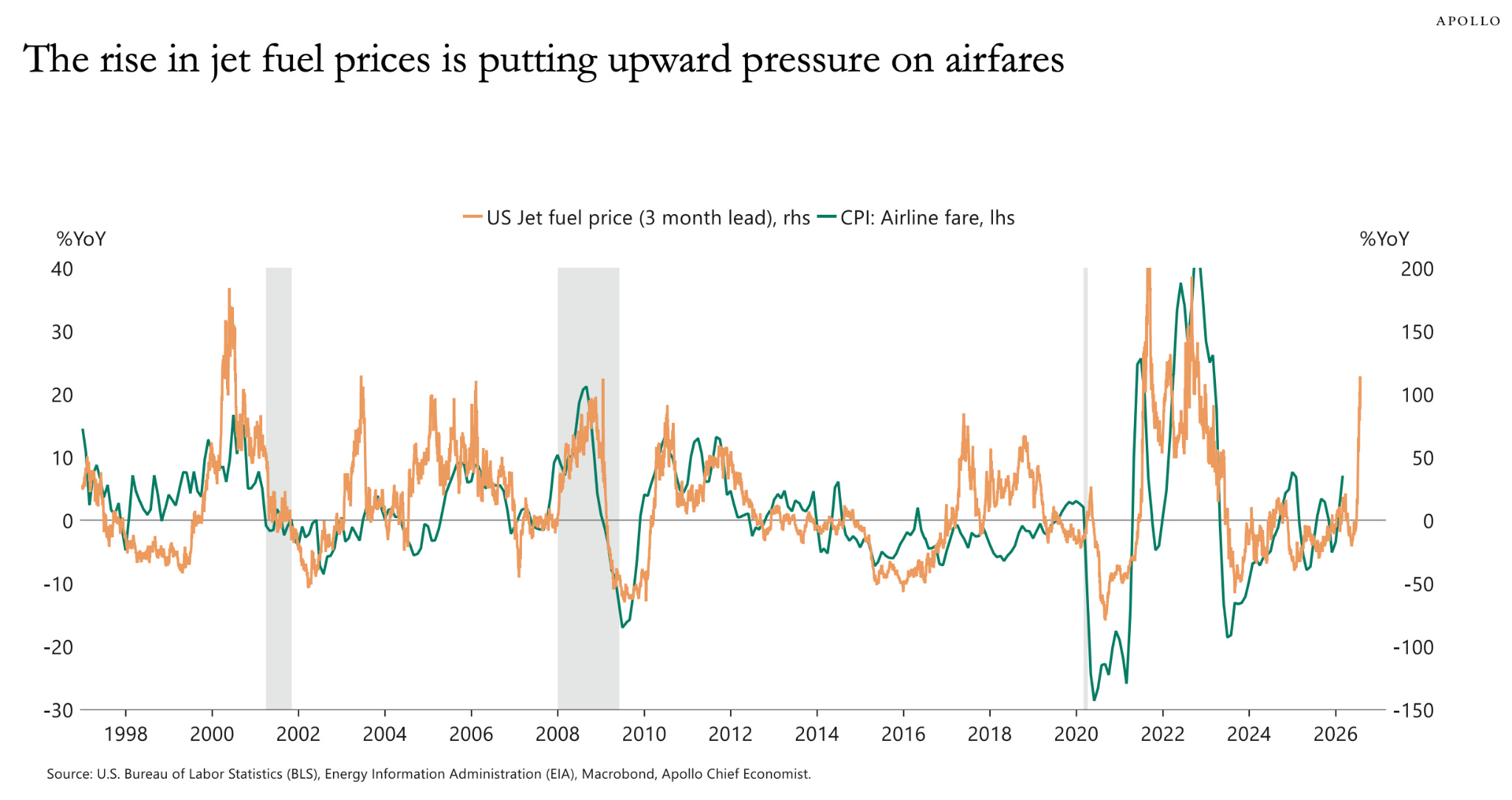
Airlines have started to shift the burden to consumers. United Airlines warns that higher prices would add $11 billion to its fuel bill in 2026, which could push fares up by 20%.
Fuel surcharges are rising, with some London-Sydney return flights now carrying a $800 fuel surcharge. Average global airfares are at their highest since 2019 at $465. United, Air New Zealand and SAS have all announced capacity cuts.
These price dynamics are reshaping another market.
We wrote in our Solar Supercycle analysis that inflection points for new technologies occur when new tech becomes cheaper than the incumbent. The sustainable aviation fuel (SAF)1 premium over conventional jet fuel in Europe fell from $1,463 per metric ton before the conflict to $1,139 by mid-March.

The picture is more nuanced: most SAF today is derived from biological feedstocks – cooking oils, animal fats, biomass and alcohols – rather than synthetic e-fuels made with renewable electricity. All of these are sensitive to energy prices, whether through feedstock costs or electricity costs. Even though the gap is closing, SAF prices in Europe rose from $2,300 per metric ton in February to $2,500 in March.
SAF represented just 0.6% of jet fuel in 2025 and is expected to rise to 0.8% this year. A move towards e-SAFs2 could decouple jet fuel from oil – and force an early inflection point.
Thanks for reading.
SAF is a drop-in alternative to conventional jet fuel that can be blended and used in existing aircraft engines and infrastructure without modification.
Synthetic fuels which are made using renewable electricity and captured CO2.